Exploring the Future of Design & Construction with Matterport 3D Digital Twins
With the rapid advancements in technology, the design and construction industry is undergoing a digital transformation. Gone are the days of traditional blueprints and physical models. Today, architects, engineers, and builders are harnessing the power of Matterport’s 3D digital twins to revolutionize the way projects are planned, designed, and constructed.
The Power of Matterport 3D Digital Twins
Matterport’s 3D digital twins are changing the game by allowing professionals to create immersive, interactive, and accurate digital replicas of physical spaces. By using Matterport’s cutting-edge technology, designers and builders can capture every detail of a space in stunning 3D, providing a virtual experience that is as close to being there in person.
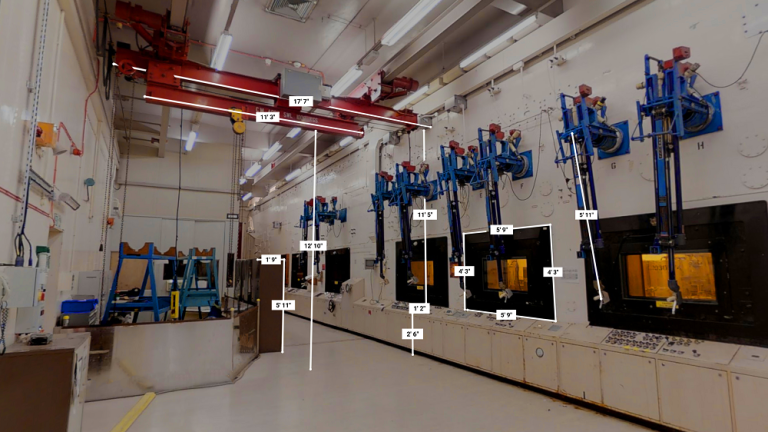
These digital twins are not just static representations of a space; they offer a wealth of information that can be used throughout the design and construction process. From measuring dimensions to identifying structural issues, Matterport’s 3D digital twins provide valuable insights that can help stakeholders make informed decisions and streamline the project workflow.
Enhancing Collaboration and Communication
One of the key advantages of Matterport’s 3D digital twins is their ability to enhance collaboration among project stakeholders. By creating a virtual model of a space that can be accessed remotely, designers, builders, and clients can easily communicate and share ideas, regardless of their physical location.
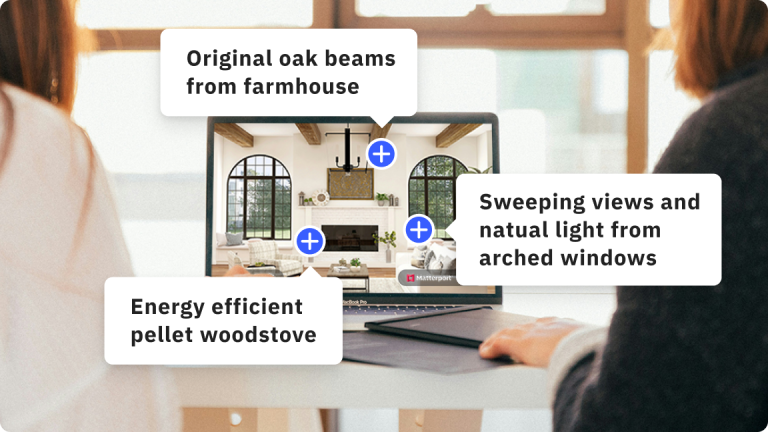
Through the use of Matterport’s online platform, project teams can collaborate in real-time, annotate specific areas of interest, and make critical decisions faster. This level of transparency and communication not only improves the overall quality of the project but also helps to prevent costly errors and delays.
Streamlining the Design and Construction Process
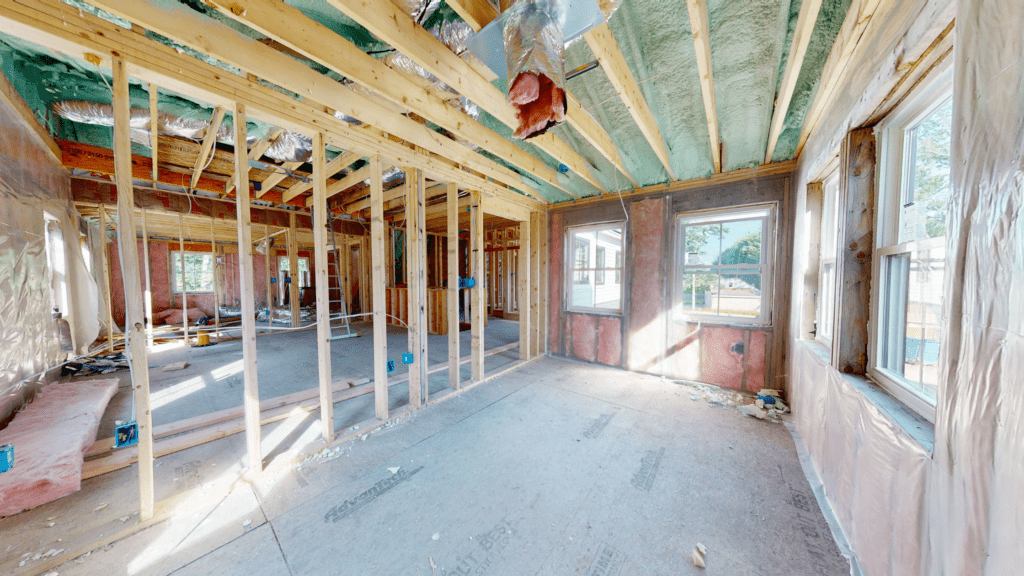
By leveraging Matterport’s 3D digital twins, design and construction teams can streamline their workflow and improve efficiency. With the ability to virtually walk through a space and explore every detail, designers can identify potential issues early on and make necessary adjustments before construction begins.
Furthermore, builders can use Matterport’s digital twins to monitor progress, track changes, and ensure that the final result aligns with the original vision. This level of precision and control is invaluable in ensuring that projects are completed on time and within budget.
Conclusion
As the design and construction industry continues to evolve, Matterport’s 3D digital twins are paving the way for a new era of innovation and efficiency. By creating immersive and detailed virtual replicas of physical spaces, designers, engineers, and builders can collaborate more effectively, communicate more clearly, and streamline the entire project lifecycle.
With Matterport’s cutting-edge technology at their fingertips, professionals in the design and construction industry have the power to reimagine the way projects are conceived, planned, and executed. The future of design and construction is here, and it’s looking brighter than ever with Matterport’s 3D digital twins leading the way.