Bringing 3D Digital Twin Context to Every Design & Build Workflow
When it comes to design and build workflows, having a 3D digital twin can revolutionize the entire process. By bringing digital twin technology into the mix, architects, engineers, and construction professionals can gain a deeper understanding of their projects, streamline collaboration, and enhance decision-making. In this blog post, we’ll explore how incorporating 3D digital twin context can benefit design and build workflows across various industries.
Enhanced Visualization and Communication
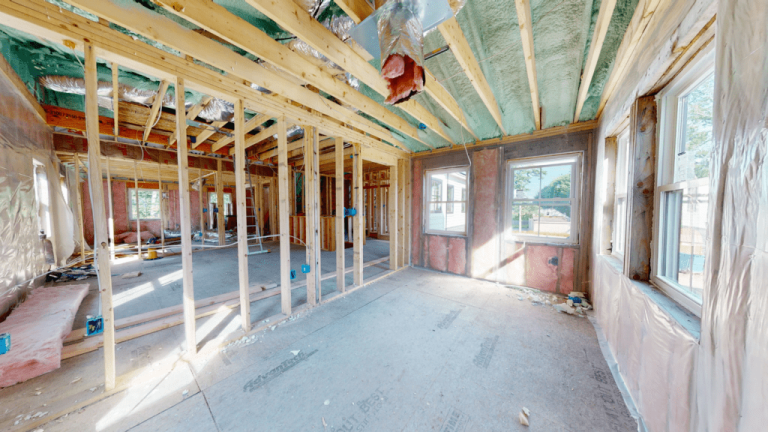
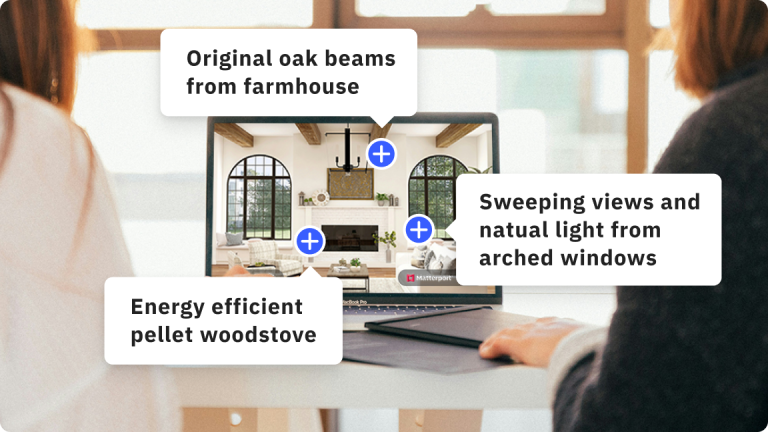
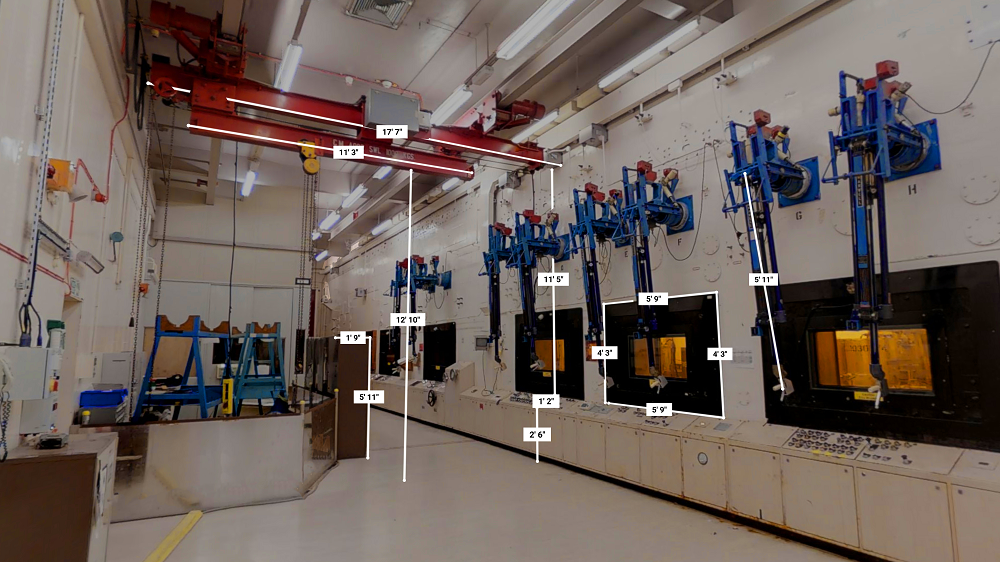
One of the key advantages of integrating a 3D digital twin into design and build workflows is the enhanced visualization it provides. With a digital twin, project stakeholders can explore every aspect of a design in a highly detailed and interactive 3D model. This level of visualization allows for better communication and understanding among team members, clients, and other stakeholders.
Using advanced technologies such as Matterport, design and construction professionals can create immersive 3D models of spaces, providing a realistic representation of the final product. This level of detail can help stakeholders visualize the end result more accurately, leading to better decision-making throughout the project lifecycle.
Improved Collaboration and Coordination
Collaboration is crucial in any design and build project, and a 3D digital twin can greatly enhance team coordination. By centralizing project information within a digital twin platform, all stakeholders can access the same up-to-date data, reducing the risk of miscommunication and errors.
Additionally, digital twins allow for real-time collaboration, enabling team members to work together remotely on a single, shared model. This level of collaboration can improve efficiency, productivity, and overall project outcomes. With everyone working in the same digital space, teams can coordinate their efforts more effectively, leading to smoother workflows and better project results.
Streamlined Decision-Making and Problem-Solving
Another significant benefit of incorporating 3D digital twin context into design and build workflows is the ability to streamline decision-making and problem-solving. With a detailed digital twin at their disposal, project teams can explore different design options, assess potential issues, and make informed decisions based on real-time data.
By visualizing the project in its entirety through a digital twin, stakeholders can identify potential conflicts, evaluate design alternatives, and test different scenarios before construction begins. This proactive approach can help mitigate risks, reduce costly changes during construction, and ensure that the final project meets all requirements and expectations.
In conclusion, bringing 3D digital twin context to every design and build workflow can provide significant benefits to project teams across various industries. By enhancing visualization, improving collaboration, and streamlining decision-making, digital twins offer a powerful tool for maximizing project efficiency, reducing risks, and achieving better project outcomes.